
On this page
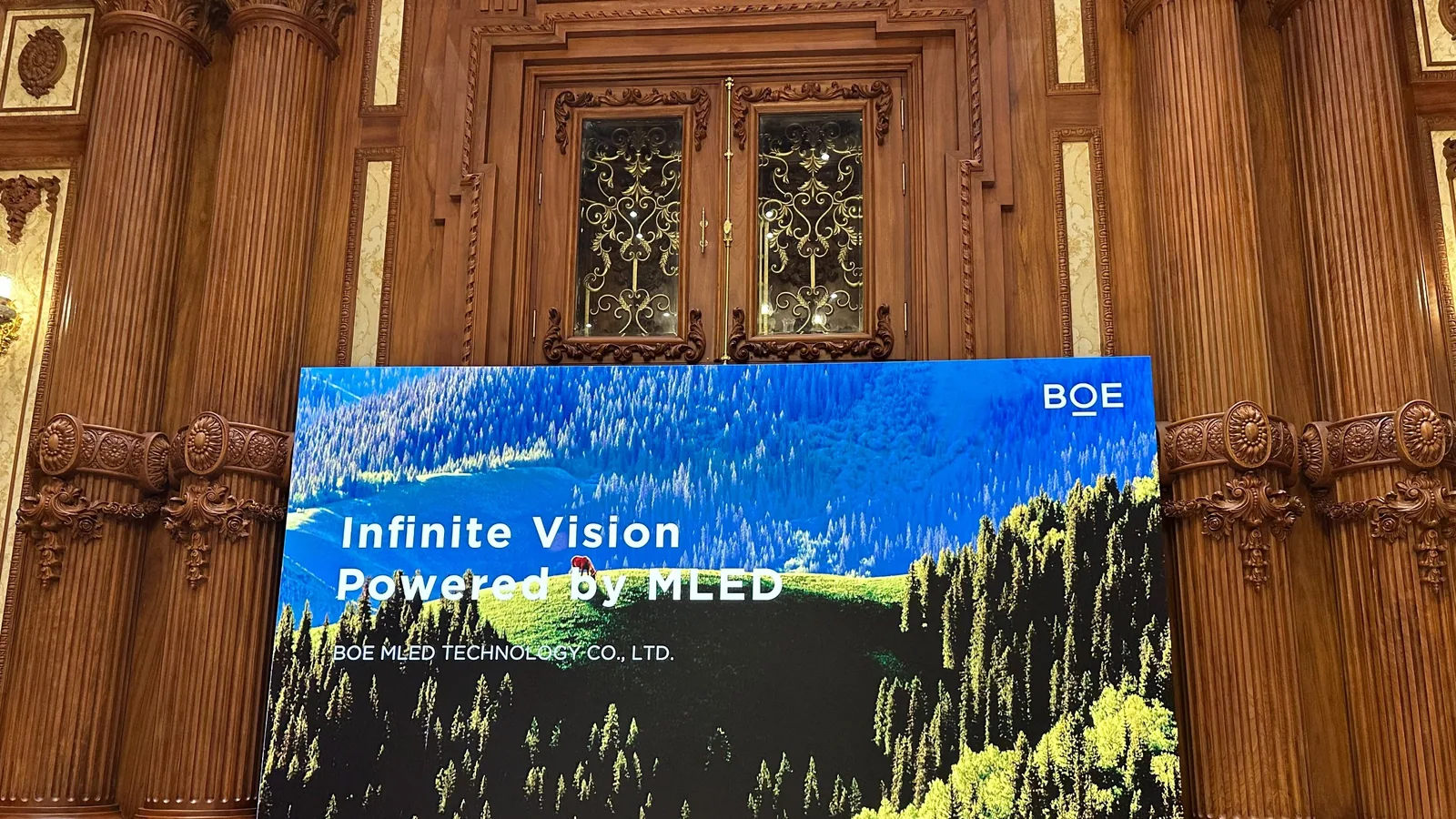
Why Should Car Showrooms Invest in LED Displays?
Showrooms sell experiences, not just cars, and LED displays are the most powerful tool for creating brand atmosphere in enclosed spaces. A large LED wall can showcase dynamic content tailored to specific car models, change with daily campaigns, or serve as a backdrop for handover ceremonies or launch events — tasks that print boards or tiled TVs cannot accomplish. Compared to tiled LCD screens, LEDs have no bezels, ensuring seamless large-format visuals. Their active brightness ensures content remains vibrant even under the strong spotlights characteristic of showrooms. More importantly, LED displays allow for color control — a critical factor when customers are considering a car, as color is a significant purchase determinant.
What Pixel Pitch Should Be Chosen for Car Showrooms?
The fundamental principle is to select based on the viewing distance in each area. For the retail/showroom segment, a suitable pixel pitch range is P1.2 to P3, with brightness around 800 to 1,500 nits. For more precise selection, use this reference rule: minimum viewing distance in meters is approximately equal to the pixel pitch value in millimeters. Closer than this distance, the pixels become noticeable. For content with small text and numbers, consider a lower pitch; for primarily video and large images, a higher pitch is acceptable. You can read more in our article on how to choose pixel pitch based on viewing distance. In practice, indoor display projects we've implemented, such as in Viet Yen, Bac Giang and Ecopark, Hung Yen, use P2.5 displays — a very suitable level for main lobbies viewed from several meters. For premium experience zones viewed up close, smaller pitches like P1.5 or COB under P1.5 will maintain sharpness when customers are close.
| Showroom Area | Viewing Distance | Recommended Pixel Pitch | Reference Brightness |
|---|---|---|---|
| Facade / Glass Mounting | Viewed from outside, through glass | Transparent LED P3.9–P6.25 | High, anti-glare for daytime |
| Main Display Lobby | ~3–6m | P2.0–P2.5 | ~1,000–1,500 nits |
| Experience Zone / Handover Area | ~1.5–3m | P1.2–P1.8 (consider COB) | ~800–1,200 nits |
What Brightness and Color Accuracy Are Needed for True Vehicle Colors?
This is the decisive aspect for car showrooms, unlike typical applications. Car paint colors — especially metallic and pearl finishes — only appear true on displays with a wide color gamut and high color accuracy; narrow gamut displays will make car colors look flat and inaccurate. High-end models achieving up to 99% DCI-P3 color gamut (as announced by BOE for their flagship COB series) are ideal for this purpose. Regarding brightness, showrooms with abundant glass and spotlights require sufficient nits so content isn't washed out, but extreme outdoor levels aren't necessary — a range of 800 to 1,500 nits for indoor areas is reasonable; exceeding this can cause glare and eye strain at close distances. Special attention must be paid to controlling reflections: position the display away from direct spotlights and natural light, and prioritize surfaces with low reflectivity to maintain deep blacks.
Which LED Display Form Factors Are Suitable for Showrooms?
Showrooms rarely need just one type of display; the most effective approach is to combine various form factors according to location. For glass facades, consider transparent LED displays to showcase content to the street while allowing visibility and natural light inside. Muxwave is a brand specializing in transparent displays distributed by Luxwave, offering pixel pitches like P2.5, P3.91, and P6.25 depending on transparency level and viewing distance. The main display lobby benefits from a large-format fine-pitch LED wall as a backdrop to highlight car models. Experience zones or car handover areas are suited for video walls or all-in-one displays for running brand content and handover ceremonies. A note on durability: in areas where customers might touch the display, GOB coating or COB technology offers better resistance to impact, dust, and moisture than standard SMD displays — this is also the direction many car showrooms are choosing. See the differences in our article on COB, SMD, and GOB packaging technologies.
What to Consider for Installation, Heat Dissipation, and Maintenance?
Three technical points determine long-term durability and operational costs. First is the structure and heat dissipation: LED walls generate heat and require a robust support frame. Ventilation and load capacity must be considered during the design phase, avoiding placement near heat-trapping materials. Second is maintenance access: for fine-pitch displays installed close to walls or in confined spaces, front-service access is space-saving and convenient. Rear-service requires space behind the display and is suitable for freestanding units. Incorrect maintenance access will significantly increase time and cost for each repair. Third is system synchronization: power supplies, image processors, and content must be configured synchronously for stable visuals and consistent color across all areas. For a configuration and quote tailored to your showroom layout, you can request a site survey or refer to LED solutions for showrooms.
[INFO] In a showroom, the most costly mistake is not controlling reflections and color accuracy, leading to incorrect paint colors — the most critical aspect for customers.
Field insight
Evidence from a Luxwave-delivered project
See the full case study at /du-an/ecopark-p25-indoor.
Pitfalls
Common mistakes
- Choosing an excessively small pixel pitch for the entire showroom when many areas are viewed from afar, unnecessarily increasing costs.
- Neglecting color accuracy, resulting in incorrect paint colors — especially for metallic finishes.
- Placing displays directly opposite spotlights or large windows, causing glare and reducing image depth.
- Using standard SMD displays in areas prone to customer contact without considering GOB or COB for impact resistance.
- Designing without adequate maintenance access, leading to costly and disruptive repairs later.
FAQ
Frequently asked questions
What pixel pitch should car showrooms use?
A suitable range for indoor display spaces is P1.2 to P3, chosen specifically based on the viewing distance of each area. Main lobbies viewed from several meters are suited for P2.0 to P2.5; experience zones viewed up close are suited for P1.2 to P1.8 or COB. The principle: minimum viewing distance in meters is approximately equal to the pixel pitch in millimeters.
How much brightness is sufficient for a showroom?
Approximately 800 to 1,500 nits for indoor areas is sufficient for content to stand out under spotlights without causing glare at close viewing distances. Showrooms do not require the extreme brightness of outdoor displays; controlling reflections from glass and spotlights in the display area is more important.
Should transparent LED displays be used for the facade?
Yes, if you want to display content outwards while maintaining visibility and natural light indoors. Transparent displays are suitable for large showroom glass facades. Pixel pitch and transparency level should be chosen based on viewing distance from the street, balancing clarity and openness.
Can LED displays misrepresent car paint colors?
Yes, if a narrow color gamut display is chosen. For accurate paint colors — especially metallic and pearl finishes — prioritize displays with a wide color gamut, ideally up to 99% DCI-P3, and perform color calibration during acceptance testing. This is a top priority for car showrooms, where color is a significant purchase factor.
Should I choose COB, SMD, or GOB for a showroom?
It depends on the location. High-end close-viewing areas are suited for COB; most mid-to-far viewing areas benefit from economical SMD; areas prone to customer contact should consider GOB or COB for impact resistance and moisture protection. Multiple types can be combined within a single showroom to balance cost and durability.
Is LED display maintenance complex in a showroom?
No, if designed correctly from the start. For fine-pitch displays installed close to walls, choose front-service access for compact operation in confined spaces. It's crucial to pre-plan access and use modules with quick installation/removal, ensuring that troubleshooting does not disrupt the display.
References